The Science Behind Liposuction Michigan Fat Removal Techniques
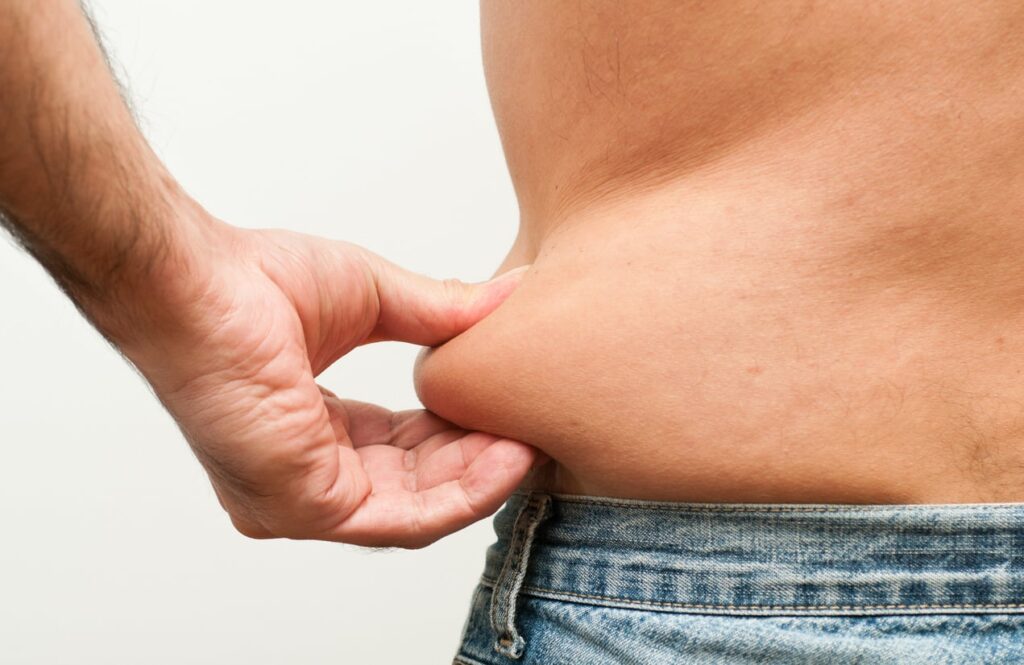
Liposuction has been around long enough to lose its novelty, but not its complexity. Many people still think of it as a simple suction procedure, almost mechanical in nature: insert a tube, remove fat, close the incision. In practice, effective fat removal is far more nuanced. It sits at the intersection of anatomy, fluid dynamics, surgical judgment, and healing biology. That is especially true when patients are evaluating Liposuction Michigan providers, where expectations often include not only fat reduction, but also smoother contour, shorter downtime, and a result that still looks natural in winter layers and summer clothing alike.
The science behind liposuction starts with a basic fact about body fat that surprises many patients. Fat is not distributed evenly, and it does not behave uniformly from one body area to the next. The fat over the abdomen is different from the denser deposits around the flanks. The inner thighs, upper arms, submental area beneath the chin, and male chest each present their own technical issues. Skin thickness differs. Fibrous connective tissue differs. Vascularity differs. So does the margin for error.
That is why good liposuction is not simply about how much fat is removed. It is about where the fat is removed, how evenly it is extracted, how the surrounding tissues are protected, and how the skin is expected to contract afterward. The science matters because the eye catches asymmetry and irregularity much faster than most people realize. A few millimeters of overresection in one zone can matter more than a much larger volume removed elsewhere.
What liposuction actually targets
Liposuction is designed to remove localized deposits of subcutaneous fat, the layer that lies beneath the skin and above muscle. It does not treat visceral fat, which sits deeper in the abdominal cavity around organs. This distinction explains why some people with a firm, protruding abdomen are not ideal candidates for traditional abdominal liposuction. If the fullness is largely visceral, suctioning the superficial layer will not create the dramatic flattening they imagine.
Subcutaneous fat itself is not a uniform sheet. It is arranged in lobules separated by fibrous septae, with blood vessels and nerves traveling through the tissue. During liposuction, a cannula moves through these planes to dislodge and aspirate fat while preserving enough structural support to avoid a collapsed or wavy contour. Surgeons talk a great deal about planes, thickness, feathering, and transitions for this reason. The body is not flat, and beautiful results depend on respecting transitions between treated and untreated zones.
This is one reason experienced surgeons often remove less fat than a patient initially requests. More is not always better. The healthiest and most aesthetically sound result often comes from selective reduction rather than aggressive extraction.
The role of tumescent fluid
Modern liposuction became safer and more controlled with the adoption of tumescent technique. This approach involves infiltrating the treatment area with a sterile solution that typically contains saline or lactated fluid, a local anesthetic such as lidocaine, and epinephrine to constrict blood vessels. The tissue becomes swollen and firm, which sounds counterintuitive until you understand what that swelling accomplishes.
First, the fluid creates hydrodissection. In plain terms, it expands the fat compartment and loosens the tissue planes, making it easier for the cannula to move smoothly through the area. Second, epinephrine reduces bleeding by narrowing small blood vessels. Third, the local anesthetic improves comfort during and after the procedure. Even when liposuction is done under general anesthesia, local infiltration still plays a meaningful role in controlling pain and reducing blood loss.
Older liposuction methods involved more bruising, more blood loss, and a rougher recovery. Tumescent infiltration changed the field by improving both precision and safety. It also gave surgeons more tactile feedback. Treated tissue has a different feel when it is properly infiltrated, and that feel helps guide controlled fat removal.
There is science in timing as well. Many surgeons allow the infiltrated fluid to dwell for a period before suction begins, giving the vasoconstrictive effect time to work. That interval may seem minor from the patient’s point of view, but it can materially affect bruising and operative visibility.
Cannulas, suction, and why instrument choice matters
The cannula is the narrow tube used to remove fat, but not all cannulas are the same. Diameter, tip design, port placement, and stiffness all influence how tissue is handled. A larger cannula may remove fat more quickly, which can be useful in broad areas such as the abdomen or flanks. A smaller cannula offers more finesse, particularly in delicate zones like the neck, bra roll, or around contour transitions.
Suction itself can be produced by a vacuum pump or a large syringe, depending on the setting and the area treated. Power matters, but so does moderation. Excessive suction force can increase tissue trauma. More importantly, the surgeon’s hand motion and depth control determine whether fat removal remains smooth. Liposuction is often described as sculpting, and while that word can sound promotional, it captures a real technical truth. The surgeon is continuously calibrating depth, direction, and overlap.
There is also an art to cross-tunneling, where the same area is approached from different angles through small access points. This reduces the risk of leaving grooves or tunnels in the fat layer. Think of mowing a field in only one direction versus blending it from several directions. The second method usually produces a more even finish.
Traditional suction-assisted liposuction
Suction-assisted liposuction, often shortened to SAL, remains the foundation of the specialty. It relies on manual cannula movement combined with negative pressure to extract fat. Although newer technologies receive more public attention, traditional SAL is still highly effective in experienced hands. In fact, many excellent results are achieved without energy devices at all.
The main advantage of SAL is control. There is no added thermal energy and no vibration beyond the surgeon’s own movement. That simplicity can be a virtue. In patients with good skin tone and straightforward fat distribution, SAL can deliver clean contour changes with predictable healing. It also avoids the heat-related risks associated with certain energy-assisted systems.
The trade-off is physical effort and time. Dense or fibrous areas, such as the upper back, male chest, or secondary revision cases, can be more challenging with standard suction alone. Those situations are where technology-assisted techniques often enter the conversation.
Power-assisted liposuction and the value of vibration
Power-assisted liposuction, or PAL, uses a cannula that vibrates rapidly over a short distance. That mechanical motion helps break apart fat with less force from the surgeon’s arm. It sounds simple, but the effect can be significant. The vibrating tip moves through tissue more efficiently, especially in fibrous areas where standard cannulas meet greater resistance.
From a scientific standpoint, PAL improves energy transfer through motion rather than heat. It reduces operator fatigue and may allow more uniform treatment in larger cases. Surgeons often appreciate PAL when treating the flanks, back, male breast tissue, or revision liposuction where scar tissue complicates the dissection plane.
Patients usually do not need to know the engineering details, but they benefit from the practical result: a technique that can make difficult areas more manageable while preserving tactile feedback. That last point matters. Many surgeons value systems that assist them without disconnecting them from the feel of the tissue.
Ultrasound-assisted liposuction
Ultrasound-assisted liposuction uses sound energy to emulsify or loosen fat before aspiration. Different systems deliver that energy in different ways, but the principle is the same. Ultrasonic vibration helps disrupt fat cells, which can then be suctioned more easily. This can be particularly useful in fibrous regions and in male patients, whose tissues often contain denser connective support.
The promise of ultrasound is selective tissue effect. Fat is more vulnerable to the delivered energy than some neighboring structures, at least within controlled parameters. In practice, this can help with efficiency and facilitate treatment in areas that otherwise require substantial mechanical effort.
The caution with ultrasound is heat. Any energy-based tool must be managed carefully to avoid thermal injury to skin or deeper structures. That risk is one reason technique, experience, and patient selection remain more important than branding. A device does not replace judgment. It amplifies it, for better or worse.
In revision work, ultrasound can be useful because scarred tissue is harder to traverse smoothly. But revision liposuction is never routine. Planes may be distorted, blood supply altered, and contour defects already present. The surgeon has less margin for error than in a first-time case.
Laser-assisted liposuction and skin tightening claims
Laser-assisted liposuction uses laser energy delivered through a thin fiber to liquefy fat and generate heat within the tissues. It is frequently marketed with an added promise of skin tightening. There is a scientific basis for that claim, at least in part. Heat can stimulate collagen remodeling, and collagen remodeling can contribute to some degree of skin contraction over time.
The reality is more measured than the marketing. Mild to moderate tightening may occur in selected patients, especially in smaller areas with limited laxity. Laser energy is not a substitute for excisional surgery in someone with significant loose skin. A patient with major post-weight-loss laxity is unlikely to get a satisfying result from liposuction alone, no matter how advanced the platform sounds.
This is one of the most common disconnects in consultation. Patients often want a body contouring solution that removes fat and tightens skin without scars. Biology rarely offers all three at once. If skin elasticity is poor, liposuction can reduce bulk but still leave looseness visible, or even more noticeable once the underlying fullness is gone.
Radiofrequency-assisted approaches
Radiofrequency-assisted liposuction also uses thermal energy, but through a different mechanism than laser. The goal is to heat subcutaneous tissue in a controlled way while removing fat and promoting soft tissue contraction. Some systems monitor internal and external temperatures to improve safety.
From a clinical standpoint, radiofrequency can be appealing in areas where contouring and contraction are both priorities, such as the neck, arms, or lower abdomen in carefully selected patients. Again, though, the outcome depends on baseline skin quality. Energy can improve the hand you were dealt, but it does not rewrite the rules of tissue mechanics.
Collagen behaves predictably only within a certain range. Too little heating does very little. Too much creates burns, prolonged swelling, firmness, or fat necrosis. That narrow therapeutic window explains why these procedures demand close technique rather than casual use of technology.
The biology of healing after fat removal
Once fat is removed, the body begins a layered healing process. Swelling develops as part of the inflammatory response. Small channels created by the cannula fill with fluid and gradually collapse. The skin and fibrous network begin adapting to the new contour. This remodeling continues far longer than many patients expect.
Early results can look uneven simply because swelling is not uniform. One side may hold fluid longer. The lower abdomen may stay puffy while the upper abdomen starts to define. The flanks may look improved in fitted clothing before the central abdomen settles. This is normal. What patients see at two weeks is not what they will see at three months, and what they see at three months may still refine by six months or longer.
Compression garments help limit swelling and support adherence of the skin-soft tissue envelope to the underlying contour. They do not force the body into shape, but they can improve comfort and reduce dead space where fluid might collect. Their benefit is practical, not magical.
Scar formation also matters. Tiny internal scars are part of normal healing, and they help stabilize the treated tissues. Excessive scar tissue, however, can create firmness, lumpiness, or delayed softening. This is one reason post-operative massage, lymphatic drainage in selected cases, and patient mobility are sometimes recommended, though protocols vary widely by surgeon and technique.
Why candidate selection matters as much as technique
The best liposuction results usually come from patients who are already near a stable weight and want contour improvement rather than major weight loss. Liposuction can remove meaningful volume, but it is not a metabolic treatment. The scale may change less than expected because fat is light relative to its volume. A patient can lose only a few pounds and still see a dramatic difference in shape.
Good skin elasticity improves the odds of a smooth result. Age alone does not determine elasticity. I have seen younger patients with poor recoil after major weight fluctuation, and older patients with surprisingly resilient tissue because of genetics, stable weight, and limited sun damage. Pregnancy history, prior surgery, stretch marks, and smoking history all provide clues.
Several factors often influence whether someone is likely to be a strong candidate:
- Localized fat deposits that have remained resistant to diet and exercise
- Relatively stable body weight for several months or longer
- Skin with enough elasticity to contract after volume reduction
- Realistic expectations about contouring versus weight loss
- Good general health and a willingness to follow recovery instructions
That checklist sounds straightforward, but the gray zones matter most. A patient can be healthy, motivated, and still not be a good match for liposuction alone if the main issue is loose skin. Another patient may technically qualify but need a conservative treatment plan because of prior scarring or asymmetry.
Safety, volume limits, and fluid balance
Safety in liposuction depends on more than sterile technique. Fluid management is central. During the procedure, fluid is infused, fat is removed, and some of that aspirate includes blood and infiltrate. The surgeon and anesthesia team must account for all of it. Large-volume liposuction adds physiologic stress, especially when multiple areas are treated in one session.
Different practices and accrediting standards set different thresholds for what qualifies as large-volume liposuction, often using total aspirate rather than pure fat volume. The exact number matters less than the principle: as volume increases, so do concerns about fluid shifts, blood loss, temperature regulation, and recovery demands. Outpatient settings can be very safe when properly selected and staffed, but they are not the place for limitless treatment.
Blood clots, infection, contour irregularities, seromas, numbness, and anesthesia complications are all known risks. They are not common in well-run practices with appropriate candidates, but they are real. A consultation that treats liposuction like a lunchtime beauty service is not taking the science seriously.
Michigan-specific considerations patients often overlook
When people search for Liposuction Michigan, they are usually comparing surgeon credentials, before-and-after photos, and cost. Those factors matter, but regional practicalities matter too. Recovery in Michigan can look a little different depending on the season. Winter surgeries often mean easier camouflage under layered clothing, but patients can become less active than ideal if they stay indoors too much. Summer recoveries can feel less comfortable in compression garments, though walking is often easier and more consistent.
Travel distance is another real issue. Michigan patients may drive significant distances for a specialist consultation or surgery, especially if they live outside major metro areas. Long car rides immediately after surgery require planning. Breaks for walking, hydration, and safe positioning are not minor details. They are part of risk management.
There is also a subtle aesthetic point. In colder climates, body contour concerns often center on the midsection, flanks, back, and outer thighs, areas that show through knitwear, fitted work clothes, and seasonal layering. That does not change the science of liposuction, but it can shape treatment priorities. A patient may not care much about a swimsuit profile and care a great deal about how a waistline looks in tailored pants and winter fabrics.
What separates a refined result from an obvious one
The most successful liposuction is often invisible to the casual observer. People notice that the patient looks fitter, more balanced, or better in clothing, but they do not immediately identify surgery as the reason. That kind of result usually comes from restraint and planning.
Transitions are the secret. The surgeon must think beyond the bulge itself and into the neighboring zones. If the lower abdomen is reduced without blending into the upper abdomen and flanks, the eye sees a shelf. If the outer thigh is treated aggressively while the posterior hip remains full, the contour can look abrupt. If the male chest is debulked without respect for surrounding muscle definition and skin thickness, it can look hollow rather than athletic.
This is why experienced surgeons spend so much time standing the patient up, marking carefully, and reassessing symmetry before the first incision Liposuction Michigan is made. Preoperative markings are not a formality. They are a map that accounts for posture, gravity, and natural asymmetries that become harder to judge once the patient is lying down.
Questions that deserve thoughtful answers
A good consultation tends to be less about salesmanship and more about problem-solving. Patients do well when they ask specific questions and listen for specific, grounded answers. Among the most useful topics are the surgeon’s preferred technique for the area in question, how skin quality affects the expected result, what degree of asymmetry already exists, and what kind of swelling timeline is realistic.
It also helps to ask how often the surgeon performs revision work, not because revision is the goal, but because surgeons who regularly evaluate imperfect outcomes often develop sharper judgment about prevention. They know where contour traps lie. They know when to stop. That may be the most scientific skill in aesthetic surgery, the ability to combine anatomy, evidence, and experience into a disciplined endpoint.
The real promise of liposuction
The science behind liposuction is not mysterious, but it is exacting. Fat can be removed safely and effectively when the surgeon understands anatomy, fluid dynamics, tissue behavior, and healing. Technology can improve efficiency or expand options in selected cases, yet no machine eliminates the need for judgment. The body keeps score. It reveals every shortcut in the months that follow.
For patients exploring Liposuction Michigan options, the most important takeaway is simple: technique matters, but appropriateness matters first. The right procedure in the wrong patient disappoints. The right patient with the wrong level of aggressiveness can also disappoint. The best results emerge when treatment respects both biology and proportion.
That is the science patients feel when a result looks smooth, balanced, and believable. Not overdone. Not surgical in the obvious sense. Just closer to the shape that was there all along, hidden beneath the fat deposits that would not respond to anything else.
Aesthetic Plastic Surgery & Laser Center, Michelle Hardaway M.D.
27920 Orchard Lake Rd, Farmington Hills, MI 48334, United States
+1 248-221-1957
FAQ About Liposuction Michigan
Is 55 too old for liposuction?
Age 55 alone does not determine suitability. A surgeon evaluates overall health, skin quality, healing risks, and realistic goals. A personal consultation is needed to assess candidacy and discuss alternatives.
What happens 10 years after liposuction?
Contour improvements can last, especially with stable weight. Aging, pregnancy, and weight changes can alter the appearance over time. Results vary, and liposuction does not prevent future body changes.
Can lipo get rid of an apron belly?
Liposuction reduces localized fat but does not remove hanging excess skin. An apron belly may require assessment for a skin-removal procedure instead of, or alongside, fat removal. A qualified plastic surgeon can explain appropriate options and their risks.