The Benefits of Choosing Liposuction Farmington Hills for Targeted Fat Reduction
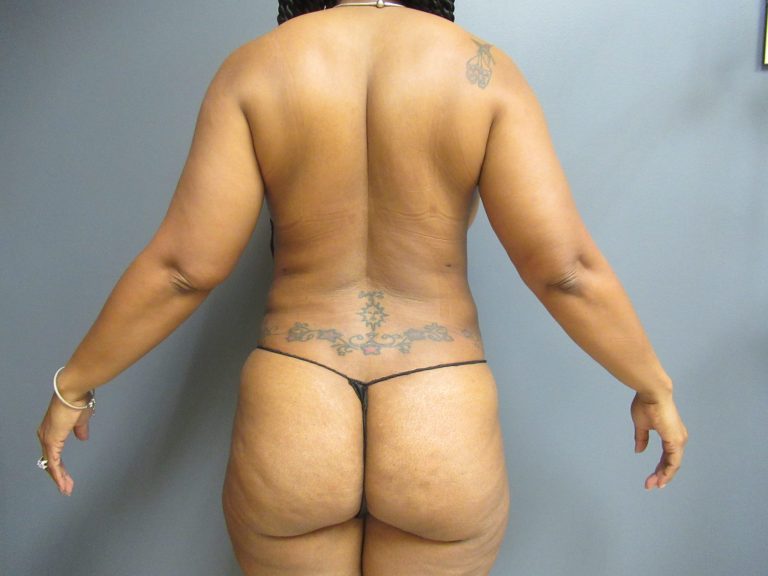
Stubborn fat has a way of ignoring effort. People can eat well, train consistently, and still notice the same padded areas at the lower abdomen, flanks, thighs, upper arms, or beneath the chin. That disconnect frustrates patients more than the number on a scale ever does. They are not asking for a dramatic reinvention. More often, they want their shape to finally match the work they have already put in.
That is where targeted fat reduction becomes a practical conversation rather than a cosmetic fantasy. Liposuction is not a substitute for healthy habits, and it is not the right answer for every body concern. When it is appropriately chosen, though, it can refine proportions in ways diet and exercise often cannot. For patients considering Liposuction Farmington Hills, the real value lies in precision, predictability, and the ability to address specific contour issues with a focused surgical plan.
The most satisfied liposuction patients usually share one trait. They understand what the procedure can do, and just as important, what it cannot do. Good decision-making starts there.
Why targeted fat reduction matters
Body contour concerns are rarely evenly distributed. A patient may feel lean through the arms and upper torso but carry fullness through the lower belly. Another may be at a stable weight yet still see persistent bulges at the outer thighs or love handles. These patterns are often influenced by genetics, age, hormones, prior weight changes, and skin quality. The body does not always lose fat in a neat or symmetrical way.
Liposuction is useful because it is built around contour, not just volume. That distinction matters. Weight-loss methods reduce body mass in a general sense. Liposuction removes localized fat deposits to improve shape and proportion in a defined area. A person may not see a dramatic change on the scale after surgery, but they may notice pants fit cleanly through the waist, dresses hang better, and exercise clothes stop clinging in one frustrating spot.
In practice, the psychological benefit often comes from relief. Patients stop feeling that one area is working against the rest of them. They no longer dress to hide a single contour issue. That can sound minor on paper, but it is not minor in daily life.
What liposuction does especially well
The strongest candidates for liposuction are usually close to their goal weight and bothered by concentrated pockets of fat that remain despite consistent lifestyle efforts. In those situations, the procedure can be extremely effective. It is particularly helpful when the issue is not overall size, but silhouette.
A skilled surgeon uses liposuction to sculpt, not simply to subtract. That means considering transitions between treated and untreated areas, preserving natural curves, and avoiding overcorrection. For example, contouring the flanks affects how the waist appears from the front and the side. Treating the lower abdomen without respecting the upper abdominal contour can leave the midsection looking imbalanced. Technical judgment matters every bit as much as the technology used.
Patients often assume the main benefit is smaller measurements. That is only part of it. More meaningful improvements frequently include smoother lines under clothing, better body proportion, and clearer definition where fullness once blurred the shape. In selected cases, especially around the submental area under the chin, a relatively modest amount of fat removal can make the face and neck look more refined.
The appeal of choosing Liposuction Farmington Hills close to home
Choosing a qualified practice in your own region has practical advantages that many people underestimate at first. Cosmetic surgery is not a single-day event. It is a process that includes consultation, preoperative planning, surgery, follow-up visits, and recovery support. Convenience becomes important quickly.
Patients exploring Liposuction Farmington Hills often appreciate being able to attend appointments without long drives, hotel stays, or complicated travel plans. That may seem secondary before surgery, but it matters when you are coming in for evaluations, garment checks, or routine postoperative assessments. Recovery tends to feel smoother when support is local and accessible.
There is also value in seeing a surgeon who understands the expectations of the community they serve. A good consultation is not rushed or sales-driven. It accounts for Liposuction Farmington HIlls lifestyle, work demands, fitness habits, and the patient’s personal definition of a successful result. In established suburban practices, that often means treating professionals, parents, active adults, and patients who want visible improvement without looking surgically altered.
Local reputation matters as well. Practices that have served an area for years tend to be evaluated not only by online reviews, but by word-of-mouth feedback among neighbors, coworkers, and families. That does not replace credentials or before-and-after analysis, but it does add another layer of accountability.
Common areas that respond well to liposuction
Some body zones are especially well suited to fat removal with liposuction because they tend to hold onto stubborn deposits. The specific plan always depends on anatomy, but several areas come up repeatedly in consultation.
- Abdomen and flanks, especially for patients near a healthy weight with resistant fullness
- Outer and inner thighs, where contour concerns can affect clothing fit and comfort
- Upper arms, when localized fat contributes to heaviness despite exercise
- Submental area under the chin, where small-volume contouring can create a sharper profile
- Bra roll, back, or waist transition zones that disrupt otherwise balanced proportions
Not every area should be treated aggressively, and not every concern is fat alone. Sometimes what a patient sees as fullness is actually loose skin, muscle separation, or a combination of factors. That is one reason in-person assessment is essential.
A realistic look at the benefits
The benefits of liposuction become clearer when they are described honestly. This is not magic, and it is not a broad fix for every body complaint. When expectations are grounded, though, the advantages are substantial.
One of the biggest benefits is precision. A patient can target a zone that has resisted months or even years of healthy habits. That is different from generalized weight-loss efforts, where the body decides where reduction will occur. Liposuction places that control, within reason, in the hands of the surgeon.
Another major benefit is durability. Fat cells removed by liposuction do not regenerate in the same quantity. That does not mean future weight gain is impossible, but it does mean the treated area often remains improved if the patient maintains a stable weight. In real life, that durability matters. Many patients want a result they can protect with sensible habits, not a short-lived change.
There is also the matter of balance. A person can be medically healthy and still feel that one area throws off their entire shape. By reducing disproportionate fullness, liposuction often restores visual harmony. That can make a person look fitter or more toned even without a large change in body weight.
Professional and social confidence can improve as well, though this should never be oversold. Surgery will not solve deeper self-esteem struggles. What it can do is remove a long-standing source of frustration. Patients commonly report less wardrobe stress, less self-consciousness in photos, and a greater willingness to wear fitted clothing. Those gains are practical, not abstract.
Why the consultation matters more than most people think
A thorough consultation tells you a great deal about the likely quality of the overall experience. Good surgeons do not start by promising dramatic transformation. They start by examining the anatomy, asking about weight stability, reviewing health history, and discussing what bothers the patient most.
The best consultations are often very specific. Instead of saying, “We can slim the stomach,” a strong surgeon might explain that the upper abdomen is relatively thin, the lower abdomen carries more pinchable fat, the flanks contribute to boxiness at the waist, and the skin recoil appears good enough to support a nice result. That level of detail shows planning.
Patients should also expect a frank discussion about limitations. If there is significant skin laxity, liposuction alone may not produce the smooth outcome the patient imagines. If muscle separation after pregnancy is the primary issue, abdominal liposuction will not repair it. If body weight is fluctuating widely, results may be harder to maintain. Honesty at this stage prevents disappointment later.
This is also where surgical style becomes apparent. Some surgeons favor conservative contouring, prioritizing natural transitions and lower risk of irregularities. Others may be more aggressive, which can work in carefully selected patients but carries its own trade-offs. There is no single perfect philosophy, but there should be clear reasoning behind the plan.
Candidacy is about more than body size
People often assume liposuction eligibility depends mainly on how much they weigh. In reality, candidacy has more to do with overall health, skin elasticity, fat distribution, and the nature of the concern itself. A smaller patient with poor skin recoil may be a weaker candidate than a somewhat larger patient with excellent tissue quality and well-localized fat.
A few signs tend to point toward a favorable outcome:
- Stable weight for several months rather than frequent gain and loss
- Localized fat deposits that can be physically identified during exam
- Reasonably good skin elasticity so the area can contract after fat removal
- Non-smoking or willingness to stop nicotine before and after surgery
- Clear, realistic expectations about contour improvement rather than perfection
Age alone does not rule anyone in or out. What matters more is tissue behavior, general wellness, and the patient’s understanding of recovery and results. I have seen younger patients disappointed because they expected instant perfection, and older patients thrilled because they understood the process and chose wisely.
Recovery, in practical terms
Recovery is often easier than people fear, but it is still real recovery. Most patients describe soreness, swelling, tightness, and bruising rather than sharp pain. The sensation is commonly compared to having done an unusually intense workout in a very specific area. Compression garments are typically part of the process, and they help with swelling control and contour support.
The first few days require planning. Patients need transportation, help with routine tasks if multiple areas were treated, and time away from strenuous activity. Many return to desk work within several days to about a week, depending on the extent of treatment and their comfort level. Exercise usually resumes gradually, not immediately.
Swelling deserves special mention because it tests patience. Early results can be encouraging, but final contours do not appear overnight. Some areas settle faster than others. The waist may start to define itself in weeks, while more subtle refinement can continue over several months. Patients who know this ahead of time cope much better than those who expect an instant finished look.
A few practical habits tend to help recovery go more smoothly:
- Walk lightly and regularly as advised, rather than staying completely sedentary
- Wear the compression garment exactly as instructed, even when it feels tedious
- Keep follow-up appointments so swelling, healing, and contour changes can be assessed
- Avoid judging the result too early, especially during the peak swelling phase
- Maintain hydration, nutrition, and stable habits instead of “dieting hard” after surgery
These are simple steps, but they make a noticeable difference in comfort and in the overall experience.
The trade-offs that deserve honest discussion
No worthwhile surgical discussion ignores downside. Liposuction involves cost, downtime, swelling, and surgical risk. Even in experienced hands, irregularity, asymmetry, contour waviness, prolonged swelling, numbness, or dissatisfaction can occur. Most issues are manageable, but they should never be glossed over.
One common misunderstanding is that “more removed” automatically means “better result.” That is not true. Overaggressive fat removal can leave unnatural transitions, surface irregularities, or a hollowed appearance that looks worse over time, especially as normal aging changes the tissues. Restraint is often a mark of expertise.
Another trade-off involves skin quality. Liposuction removes fat, not loose skin. If elasticity is limited, a patient may still have laxity after the procedure. In some cases that is acceptable and still represents a net improvement. In others, the better operation may be one that includes skin excision, such as an abdominoplasty, rather than liposuction alone.
Cost can also steer decision-making in unhelpful ways. Bargain shopping in cosmetic surgery carries obvious risk. Patients should understand what is included in pricing, whether facility and anesthesia fees are separate, and what support exists if revisions or unexpected concerns arise. The cheapest option can become the most expensive one if the result needs correction.
Liposuction versus non-surgical fat reduction
Many patients compare liposuction with non-surgical body contouring. That comparison is fair, but the two are not interchangeable. Non-surgical treatments may appeal to people who want little to no downtime and are willing to accept more modest change. They can be useful for the right patient and the right area.
Liposuction remains the stronger option when the goal is a more visible, reliable contour improvement in a localized zone. It allows direct fat removal and real-time sculpting. For patients who have enough fullness to pinch and a clear aesthetic target, surgery usually offers a more decisive result.
That said, non-surgical approaches may suit patients who cannot accommodate recovery, do not want surgery, or only need subtle refinement. A reputable surgeon or aesthetic provider should be comfortable discussing both paths and explaining why one makes more sense than the other.
The importance of a natural result
The Liposuction Farmington HIlls best liposuction results do not announce themselves. They look like the patient, just more proportionate and more at ease in their own frame. Friends may say someone looks fitter or more rested without identifying surgery as the reason. That subtlety is often the goal.
Achieving that natural result requires an eye for anatomy and restraint in execution. Human bodies are not made of straight lines and sharp cutouts. Soft contours, smooth transitions, and symmetry from multiple angles matter more than dramatic removal in a single area. The surgeon must think about movement, posture, and how the body looks in everyday clothing, not just in standardized photos.
This is especially true in areas like the hips, outer thighs, and upper abdomen, where overcorrection can appear harsh. A good result respects the patient’s sex, frame, and native proportions. It improves shape without erasing individuality.
Long-term satisfaction depends on maintenance
Liposuction can change the contour of an area, but it does not exempt anyone from the realities of metabolism, aging, or lifestyle. Patients who stay weight-stable usually preserve their results best. Those who gain a significant amount of weight after surgery may still look different from before, but the improvement can soften.
That is why responsible surgeons often ask about routine habits before they ask about aesthetic goals. A patient who already walks regularly, eats reasonably well, and maintains stable routines tends to do better in the long run than someone searching for a shortcut. Liposuction works best as a finishing procedure, not as a first attempt at body change.
Pregnancy plans, athletic goals, and past weight fluctuations should also enter the conversation. Timing affects satisfaction. If someone expects major body changes in the near future, it may make sense to wait. Strategic timing is not glamorous advice, but it is often the right advice.
Choosing with clarity
For the right patient, Liposuction Farmington Hills offers something highly specific and genuinely valuable: the ability to correct localized fat concerns with precision and lasting contour improvement. Its strength is not in broad promises. Its strength is in careful selection, thoughtful surgical planning, and realistic expectations.
Patients tend to do best when they stop asking, “How much fat can be taken out?” and start asking, “Will this improve the shape that bothers me, and does the plan fit my anatomy?” That shift in thinking leads to smarter consultations and better outcomes.
A well-chosen liposuction procedure can refine areas that have resisted every reasonable effort, support a more balanced silhouette, and reduce a source of daily frustration that has lingered for years. When performed by a qualified surgeon with a disciplined eye, it is less about chasing perfection and more about finally bringing the body into closer alignment with the life the patient is already living.
Aesthetic Plastic Surgery & Laser Center, Michelle Hardaway M.D.
27920 Orchard Lake Rd
Farmington Hills, MI 48334
(248) 221-1957
FAQ About Liposuction Farmington Hills
What disqualifies you from getting liposuction in Farmington Hills?
A surgeon may recommend postponing or avoiding liposuction if a health condition, medication, or nicotine use raises the risk of surgery or poor healing. A consultation is needed to assess your medical history and whether the procedure fits your goals.
Can liposuction remove 20 pounds?
Liposuction is a body contouring procedure for localized fat. It is not a weight loss treatment, and a specific number of pounds is not a safe or useful target. The surgeon determines how much can be removed safely for each patient.
What are the risks of liposuction?
Risks include infection, changes in sensation, uneven contours, and complications from anesthesia or blood clots. A plastic surgeon can explain which risks apply to you and what to expect during recovery.