How Liposuction Michigan Clinics Help Sculpt Your Ideal Shape
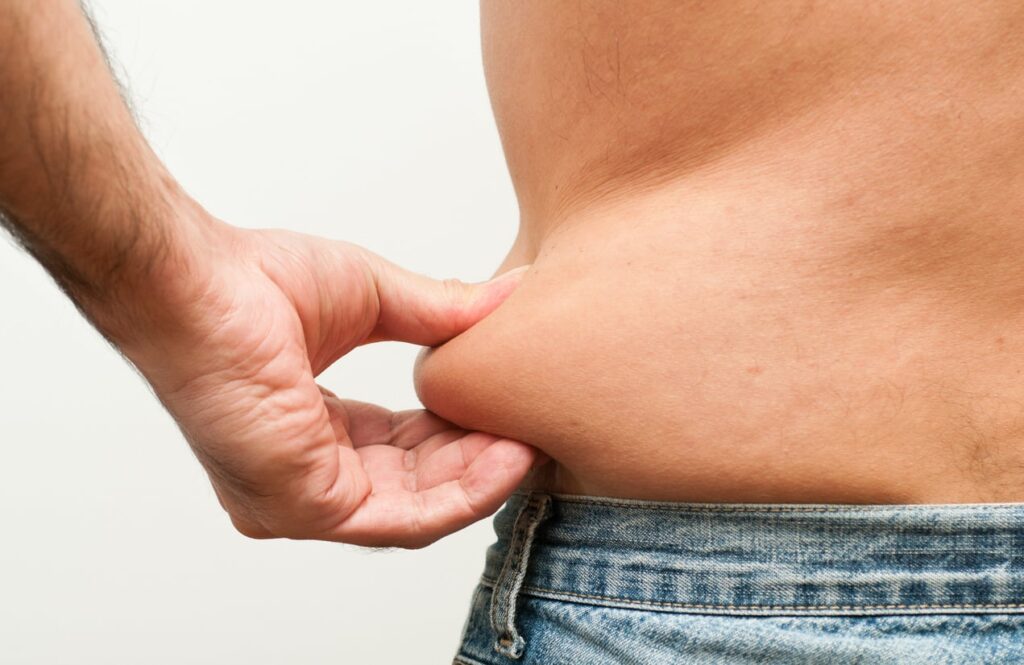
Body contouring has a way of sitting at the intersection of medicine, aesthetics, and psychology. People rarely seek liposuction on a whim. More often, they arrive after years of doing many things right, eating carefully, exercising consistently, and still feeling frustrated by pockets of fat that do not respond the way they hoped. That tension matters. When the mirror does not reflect the effort, confidence takes a hit.
This is where experienced providers make a difference. Liposuction is not a weight-loss shortcut, and reputable Michigan clinics are usually very clear about that from the first consultation. At its best, the procedure is a sculpting tool. It refines contours, improves proportions, and addresses areas that seem stubborn despite an otherwise healthy lifestyle. The best outcomes come from a thoughtful match between the patient’s goals, anatomy, skin quality, and the surgeon’s technique.
For anyone researching Liposuction Michigan options, it helps to understand what clinics actually do beyond removing fat. Good contouring is a planning exercise. It involves assessing how your waist relates to your hips, Liposuction Michigan how your abdomen blends into your flanks, whether the chin fits the profile, and how skin may behave after volume is reduced. The work is partly technical and partly artistic. That is why choosing a clinic should never come down to price alone.
What liposuction really changes
A lot of people picture liposuction as a broad eraser, something that simply makes an area smaller. The reality is more nuanced. The procedure targets localized fat deposits and reshapes how one region transitions into another. A flatter lower abdomen may look good on its own, but if the flanks remain prominent, the result can feel incomplete. Likewise, a cleaner jawline can sharpen the entire face even though the amount of fat removed is modest.
This distinction matters because expectations shape satisfaction. Liposuction can improve contour dramatically, but it does not replace meaningful weight loss, correct severe skin laxity, or build muscle definition where none exists. Patients with firm or moderately elastic skin usually see the smoothest results because the skin can contract around the new contour. Those with significant looseness may need a different or combined approach, such as an abdominoplasty for the abdomen or skin-tightening support in select cases.
In Michigan clinics, common treatment areas tend to include the abdomen, flanks, thighs, back, upper arms, under-chin area, and sometimes the chest in men. The amount removed varies widely. A small under-chin procedure may involve a relatively modest volume yet create a striking visual payoff. Abdominal contouring may require more extensive planning and a broader treatment map to avoid uneven transitions.
Why patients in Michigan often seek body contouring
Regional lifestyle patterns, seasonal clothing changes, and age-related body changes all influence demand. In a state where people spend much of the year in layers, body concerns can stay hidden for months, only to feel more pressing in spring and summer. That is not vanity. It is human nature. When warmer weather returns, people want to feel comfortable in fitted clothing, swimwear, and social settings where their shape is more visible.
There is also a practical side. Many patients are in stable stages of life when they finally make the appointment. They may be done having children, settled into a consistent weight, or recovering from a large health push that left them fitter but not fully satisfied with their silhouette. Mothers often ask about the lower abdomen and love handles after pregnancy. Men frequently ask about the waistline or chest. Patients in their forties and fifties may focus on the neck and jawline because that area can age faster than they expect.
Clinics that specialize in Liposuction Michigan cases tend to see one common thread across these groups: the patient is usually not trying to become someone else. They are trying to bring their outer shape closer to how they already feel inside.
The consultation is where good outcomes begin
The consultation should feel detailed, not rushed. A strong clinic spends time reviewing your medical history, past surgeries, medications, nicotine use, weight stability, and lifestyle habits. Then comes the physical exam, which is more informative than many patients realize. A surgeon is not only checking where the fat sits. They are evaluating skin thickness, asymmetries, muscle tone, scar patterns, and whether the area pinches softly or feels fibrous.
This is also where honest advice separates serious practices from sales-driven ones. If a patient wants a perfectly flat abdomen but has separated abdominal muscles, a surgeon may explain that liposuction alone will not create the result they have in mind. If arm skin is very lax, reducing fat without addressing skin may leave the contour less satisfying. These are not disappointments, they are useful course corrections.
Some of the most productive consultations involve a little back-and-forth. A patient might ask to slim the outer Liposuction Michigan thighs, but during the exam it becomes obvious that treating the inner thighs or lateral hip area as well would create a more balanced line. A man asking only about the lower belly may learn that contouring the flanks will sharpen the torso much more effectively. The ideal plan often emerges from that dialogue.
How the procedure is typically performed
Most liposuction procedures use small incisions placed discreetly in natural creases or less visible zones. Through these openings, the surgeon introduces a cannula, a thin hollow instrument used to break up and remove fat. Many modern techniques rely on tumescent fluid, which is placed into the treatment area to reduce bleeding, improve comfort, and make fat removal smoother and safer.
Anesthesia depends on the extent of treatment. Smaller areas may be managed with local anesthesia and sedation, while larger or multi-area procedures are often performed under general anesthesia. This is not a one-size-fits-all decision. The right choice balances comfort, safety, and the complexity of the surgical plan.
Technique matters more than terminology. Patients sometimes get distracted by branding, whether a clinic advertises laser-assisted, ultrasound-assisted, power-assisted, or traditional suction-assisted methods. Each has its place, and none automatically guarantees a superior result. What matters most is the surgeon’s judgment, their familiarity with the device, and whether the chosen approach fits the patient’s tissues and goals. A skilled surgeon using a straightforward method often outperforms a trendy device in inexperienced hands.
Areas where liposuction tends to make the biggest visual impact
Some body zones deliver especially strong payoff because they influence overall proportion. The abdomen and flanks are obvious examples. Reducing fullness around the waist can change how nearly every item of clothing fits. The under-chin area is another high-impact region because even a subtle refinement there can make the face look lighter and the profile more defined.
The best candidates usually share a few traits:
- they are close to a stable, maintainable weight
- they have localized fat deposits rather than generalized obesity
- their skin has enough elasticity to contract after fat removal
- they understand the goal is contour improvement, not perfection
- they are healthy enough for surgery and recovery
That last point deserves emphasis. Surgical candidacy is not cosmetic trivia. Blood pressure control, diabetes management, smoking status, and clotting risk all matter. Clinics that take these issues seriously protect patients and also tend to produce better-looking outcomes because recovery is smoother.
Recovery is not glamorous, but it is manageable
People often spend far more time thinking about the surgery than the week after it. Yet recovery shapes the experience in a very real way. Most patients can expect swelling, bruising, tenderness, and a sensation that ranges from soreness to deep achiness. Compression garments are commonly used to support the area and help swelling settle. If multiple regions were treated, moving around can feel awkward for several days.
The first surprise for many patients is that the immediate post-procedure appearance does not represent the final result. There is swelling. There may be uneven firmness early on. Some areas can look better before they look settled. This is normal. Improvement usually unfolds over weeks, then months. The broad contour change often becomes visible fairly early, but the finer definition can take much longer, especially in thicker tissues like the lower abdomen or upper back.
Most people can return to desk work within a few days to a week, depending on the scope of treatment and their pain tolerance. More strenuous activity usually waits longer. Walking is encouraged early because it supports circulation, but intense exercise is phased in gradually. A clinic that gives precise recovery instructions and follows up carefully is doing more than being polite, it is improving the odds of a smooth result.
What skilled clinics do to reduce the risk of uneven results
The fear many patients quietly carry is not pain. It is looking irregular afterward. That concern is reasonable. Liposuction requires control and restraint. Removing too little can leave the patient disappointed, but removing too much or contouring too aggressively can create grooves, waviness, or an unnatural appearance.
Experienced clinics reduce that risk through planning, marking, and disciplined technique. Surgeons often map the body while the patient is standing because gravity reveals contour truth. During surgery, they work in controlled layers rather than rushing to chase immediate visual flatness. They also think beyond the isolated bulge. The body looks best when transitions are smooth, not when one spot is thinned without regard for the surrounding anatomy.
This is especially important in areas such as the outer thighs, arms, and male chest, where overcorrection can be difficult to hide. Subtlety is often the mark of expertise. The best result is not one that screams surgery. It simply looks harmonious.
The emotional side of body contouring
Aesthetic surgery is sometimes discussed as if it is only surface deep. That misses the lived experience. Body image affects posture, clothing choices, intimacy, photographs, and willingness to participate in ordinary moments. A patient who has hidden behind loose tops for years may feel profound relief when they no longer plan every outfit around one area.
At the same time, reputable surgeons do not promise emotional transformation. Surgery can improve a contour, but it cannot repair every insecurity or solve unrelated stress. Patients do best when their expectations are specific and grounded. Wanting your waist to look more balanced in fitted clothes is a healthy goal. Expecting surgery to rescue a struggling relationship or create a completely different body is not.
One of the clearest signs of a mature clinic is that it screens for this difference. Good providers listen for language that suggests realistic motivation. They are not trying to talk people out of surgery. They are trying to make sure surgery is being used for the right problem.
How to evaluate Liposuction Michigan clinics wisely
The market can feel noisy. Websites are polished, before-and-after galleries are selective by nature, and consultations can vary dramatically in quality. Instead of looking for the flashiest marketing, focus on evidence of careful practice.
Pay attention to whether the surgeon discusses your specific anatomy rather than giving a generic speech. Notice whether they explain limitations as clearly as benefits. Ask who will be involved in your care on the day of surgery and during follow-up. Look at photos of patients with body types similar to yours, not just the most dramatic transformations. If pricing is emphasized more heavily than medical judgment, that is worth noting.
A few questions are especially useful to ask during consultation:
- Which areas do you recommend treating together for balance, and why?
- What result is realistic for my skin quality and body type?
- Where will the incisions be placed, and what kind of scarring should I expect?
- What does recovery usually look like for someone having my procedure plan?
- If I need a revision or a touch-up, how is that handled?
These questions do two things at once. They give you practical information, and they reveal how the clinic thinks. Strong answers tend to be calm, direct, and specific. Vague reassurance is less helpful than a nuanced explanation.
Cost, value, and the temptation to bargain shop
Cost matters. It would be unrealistic to pretend otherwise. Liposuction pricing varies by the number of areas treated, the facility setting, the type of anesthesia, the surgeon’s experience, and whether post-operative garments or follow-up care are included. In many markets, a small-area procedure may cost substantially less than a more comprehensive contouring session, but prices can still range widely.
The problem with bargain shopping is that patients are not buying a commodity. They are buying judgment, safety standards, technical ability, and aftercare. A lower quote may reflect efficiency, but it can also reflect shortcuts, limited follow-up, or a provider with less experience in contour-focused work. That does not mean the most expensive option is automatically the best. It means the value calculation should include much more than the number at the bottom of the estimate.
Revision surgery illustrates this clearly. Correcting irregularities or underwhelming results is often more complex than the original procedure. Scar tissue changes the tissue planes, and options may be narrower. Paying for good work once is usually less expensive, emotionally and financially, than trying to fix poor work later.
When liposuction is not the right answer
One of the most important roles a surgeon plays is saying no when no is the correct answer. Liposuction is a poor choice for significant weight-loss needs, very loose skin without a contouring plan, or patients whose goals are disconnected from what anatomy allows. It is also a bad fit for someone whose weight is still fluctuating sharply.
There are also times when a different procedure simply makes more sense. A patient with a protruding abdomen caused primarily by weakened abdominal muscles and excess skin after pregnancy may get more benefit from a tummy tuck than from suction alone. Someone bothered by cellulite may be disappointed if they expect liposuction to erase it completely. These are not failures of the procedure. They are examples of why the diagnosis has to come first.
A clinic earns trust by being willing to redirect patients, even when that means recommending a different treatment or delaying surgery altogether.
What lasting results depend on
Once fat cells are removed, those specific cells do not come back. That is the technical truth people often remember. The more practical truth is that the body can still gain weight afterward, and remaining fat cells can enlarge. So the result is durable, but not immune to lifestyle change.
Patients who maintain the best long-term outcomes tend to have steady habits. They keep their weight within a relatively consistent range, continue some form of exercise, and avoid the cycle of intense dieting followed by rebound gain. This is where liposuction can be especially satisfying. It removes the stubborn deposit that never seemed to respond, and healthy routines help preserve the improved shape.
There is also a patience component. Final results are not judged two weeks after surgery. Swelling can linger in subtle ways for several months. Areas may feel firm or numb before they soften and normalize. Patients who understand that timeline usually feel calmer during recovery and less likely to misread temporary changes as permanent problems.
The shape you want, the plan you need
The phrase “ideal shape” means different things to different people. For one person, it means a narrower waist after years of feeling boxy through the middle. For another, it means restoring a cleaner neckline that disappeared with age. For a third, it means finally addressing the inner thigh fullness that no amount of training seemed to change. The procedure is the same category of treatment, but the strategy is highly individual.
That is why the best Liposuction Michigan clinics approach contouring as personalized design rather than routine fat removal. They match the plan to the body in front of them. They explain trade-offs. They pay attention to proportion. They recognize when less is more and when a broader treatment pattern will create a better line. Just as important, they support the patient through the unglamorous middle period of healing, when reassurance and good follow-up matter as much as operative skill.
Body contouring done well does not look forced. It looks natural, balanced, and quietly right. You still look like yourself, only more in sync with the shape you were hoping to see all along.
Aesthetic Plastic Surgery & Laser Center, Michelle Hardaway M.D.
27920 Orchard Lake Rd, Farmington Hills, MI 48334, United States
+1 248-221-1957
FAQ About Liposuction Michigan
Is 55 too old for liposuction?
Age 55 alone does not determine suitability. A surgeon evaluates overall health, skin quality, healing risks, and realistic goals. A personal consultation is needed to assess candidacy and discuss alternatives.
What happens 10 years after liposuction?
Contour improvements can last, especially with stable weight. Aging, pregnancy, and weight changes can alter the appearance over time. Results vary, and liposuction does not prevent future body changes.
Can lipo get rid of an apron belly?
Liposuction reduces localized fat but does not remove hanging excess skin. An apron belly may require assessment for a skin-removal procedure instead of, or alongside, fat removal. A qualified plastic surgeon can explain appropriate options and their risks.