How Liposuction Farmington Hills Can Complement Other Cosmetic Procedures
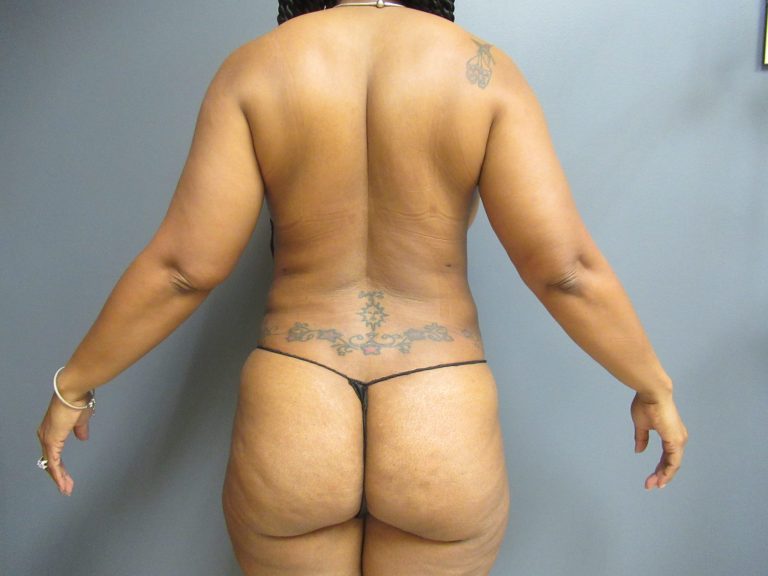
Body contouring rarely comes down to a single decision. Most patients who ask about liposuction are not simply trying to lose a few inches in one spot. They want their shape to look balanced. They want clothing to fit better. They want one feature corrected without leaving another area looking unfinished. That is where a thoughtful surgical plan matters.
In practice, liposuction often works best as part of a larger strategy rather than a stand-alone procedure. It can refine the waist after pregnancy, sharpen the neckline during facial rejuvenation, Liposuction Farmington HIlls improve the transitions around breast surgery, or help a tummy tuck produce a more natural result. When people search for Liposuction Farmington Hills, they are often looking for exactly this kind of tailored approach, even if they do not yet know how to describe it.
The key idea is simple. Liposuction removes stubborn fat deposits, but it does not tighten significantly loose skin, repair separated abdominal muscles, or raise tissue that has descended with age. Other cosmetic procedures address those separate problems. When used together, they can create a result that looks more complete and proportionate than either treatment would on its own.
Why combination planning matters
One of the biggest misconceptions about cosmetic surgery is that every concern belongs to a single body part. Real anatomy does not work that way. The abdomen influences the waist. The flanks affect how flat the stomach appears from the front. Fullness under the chin can make the entire jawline look softer, even if the skin quality is good. Extra fat near the bra line can distract from an otherwise well-shaped breast result.
An experienced surgeon looks beyond the area a patient first mentions. A woman may come in focused on loose lower abdominal skin, for example, but the overall contour issue may include flank fullness and a small amount of upper abdominal fat. A man may ask about chest contouring, but the side chest and underarm area may also need attention to avoid a partial correction.
This broader view is one reason combination procedures are so common in body contouring. They allow the surgeon to address adjacent areas in a single operative plan, with one anesthesia event and one primary recovery period. That does not mean more is always better. There are practical limits based on safety, operating time, healing capacity, and the patient's health. Still, in the right candidate, pairing liposuction with another procedure can produce a cleaner, more harmonious result.
What liposuction does especially well
Liposuction is best at removing localized fat that has resisted diet and exercise. Common areas include the abdomen, flanks, outer thighs, inner thighs, upper arms, back, neck, and under the chin. It is a shaping procedure, not a weight-loss treatment. Patients who do best are usually at or near a stable weight and bothered by specific bulges or disproportion.
Its greatest strength is precision. A surgeon can reduce fullness where needed and preserve enough surrounding tissue to maintain smooth contours. That matters because the goal is not simply "smaller." The goal is better shape. A slightly narrowed waist, a cleaner hip transition, or a more defined jawline can have a significant visual effect without dramatic changes on the scale.
Liposuction does have limits. It cannot replace skin excision when there is substantial laxity. It cannot tighten a separated abdominal wall after pregnancy. It cannot lift drooping tissues in the face, breasts, or thighs. Once patients understand that distinction, the logic of combining procedures becomes easier to see.
Pairing liposuction with abdominoplasty
This is one of the most common and most effective combinations. A tummy tuck addresses loose abdominal skin and rectus muscle separation, while liposuction sculpts the surrounding fat. Together, they can improve the midsection more completely than either procedure alone.
Consider a typical post-pregnancy patient. She may have stretched skin below the navel, a small overhang at the lower abdomen, weakened abdominal muscles, and fullness through the waist or flanks. Liposuction alone might thin the area, but it would not remove extra skin or repair the abdominal wall. A tummy tuck alone could flatten the front but leave the waist less defined if the flanks are not treated. Combined, the contour usually looks more natural from multiple angles.
This is also where judgment matters. Aggressive liposuction directly over the central abdominal flap in a full tummy tuck may not always be appropriate, depending on blood supply and surgical technique. A conservative, anatomy-respecting approach is often better than trying to remove too much. Patients sometimes assume the best result comes from taking out the maximum amount of fat. In reality, safe contouring often depends on restraint and smooth transitions.
In consultations, this is one of the moments when photos and physical examination become especially important. Two patients can both say, "I want my stomach flatter," while needing very different plans. One may need liposuction alone. Another may clearly need a tummy tuck with contouring of the flanks. A third might benefit from a mini abdominoplasty plus modest liposuction. There is no honest one-size-fits-all answer.
The role of liposuction in a mommy makeover
The term "mommy makeover" is broad, but the principle is consistent. Pregnancy and breastfeeding can change the breasts, abdomen, waist, and sometimes the thighs or back. Liposuction often ties these corrections together.
For example, a breast lift restores breast position, and a tummy tuck restores the abdominal wall and removes stretched skin. Liposuction can refine the areas around them, such as the bra roll, flanks, or outer hips. Those finishing touches matter. Patients do not evaluate themselves only from the front in a mirror. They notice side views, fitted dresses, swimsuits, and how clothing pulls across the waistline.
There is also a practical appeal. When these procedures are safely combined, recovery happens in a single general timeframe. That can be important for parents who need to plan work leave, childcare, and home help. Recovery is still real, and often more involved than patients initially expect, but one coordinated surgical event can be easier to manage than staging several operations months apart.
That said, not everyone is a candidate for an all-in-one approach. Surgical duration, blood loss, smoking history, body mass index, medical conditions, and postoperative support all affect planning. Sometimes the safer decision is to stage procedures. Good surgeons are comfortable saying no to a larger operation if the balance between benefit and risk is not favorable.
Liposuction and breast procedures
Breast surgery and liposuction are frequently complementary, though patients do not always realize it before consultation. In breast reduction, liposuction can help contour the lateral chest, the underarm region, or the area that spills around a bra. In breast lift or augmentation, subtle contouring of nearby fullness can make the result look more elegant and less boxy.
This matters because the breast does not exist in isolation. A well-positioned breast can still appear heavy or broad if excess tissue remains along the side chest. Similarly, implants can improve volume and upper pole fullness, but contouring the surrounding frame may be what makes the overall silhouette feel balanced.
There is also the opposite scenario, where liposuction alone can be a limited substitute in select cases. Some patients with mild fatty fullness along the lateral chest want improvement without scars from a larger excisional procedure. In carefully chosen individuals, liposuction can help. Still, expectations must be realistic. It will not lift the breast or correct skin laxity.
A point that often surprises patients is how much small-volume contouring can change clothing fit. Removing a modest amount of fullness near the bra line may not sound dramatic on paper, but it can smooth the way tops and dresses sit across the upper torso. The visual effect is often larger than the actual fat volume removed.
Facial and neck rejuvenation with liposuction
Liposuction is not only for the torso. In the face and neck, it can play a selective but powerful supporting role. Submental liposuction, meaning fat removal under the chin, is commonly paired with other rejuvenation procedures when fullness is caused by excess fat rather than only loose skin or platysmal banding.
A patient in her forties may seek a facelift because the jawline looks less crisp. During examination, the issue may turn out to be a combination of early jowling and central neck fullness. Addressing both can create a stronger result than lifting alone. On the other hand, a younger patient with good skin elasticity and a full area under the chin may benefit from liposuction without needing any lift at all.
The neck is a good example of why diagnosis matters more than buzzwords. Fullness can come from subcutaneous fat, deeper fat, muscle banding, skin laxity, or skeletal anatomy. Liposuction helps with some of those factors, not all. If the skin is significantly loose, or if there is a lot of banding, another procedure may be necessary for a satisfying result.
When patients search for Liposuction Farmington Hills, many are thinking of abdominal contouring, but neck and jawline refinement can be equally transformative for the right candidate. It is simply a different conversation with different technical priorities.
How liposuction works with thigh and lower body procedures
Lower body contouring brings its own set of trade-offs. The thighs, buttocks, hips, and lower back function as a visual unit. Changing one area can make another stand out more, for better or worse.
For patients considering a thigh lift, liposuction may reduce localized fullness first or be performed at the same time in select cases. But this is one of the areas where overaggressive suction can lead to contour irregularities or worsen skin laxity if the tissues are not good candidates. Skin quality matters a great deal. So does the pattern of fat distribution. Some thighs respond beautifully to modest reduction. Others need excision to improve draping, especially after major weight loss.
Liposuction can also complement gluteal contouring by refining the flanks and lower back. Even when the buttocks themselves are not being directly augmented, narrowing the surrounding frame can change how projection is perceived. This is part of why liposuction is often described as a sculpting tool rather than merely a fat-removal procedure.
Patients with significant weight loss deserve special mention here. Their needs are often more complex. They may have loose skin around the abdomen, back, thighs, and buttocks, with residual pockets of fat in specific zones. In those cases, body lifts or excisional procedures frequently do more of the heavy lifting, while liposuction fine-tunes the result. Trying to treat a major post-weight-loss body contour problem with liposuction alone usually leads to disappointment.
Fat transfer changes the conversation
One of the most interesting ways liposuction complements other cosmetic procedures Liposuction Farmington HIlls is when the removed fat is reused. Fat transfer can restore or add volume in selected areas, commonly the buttocks, face, or sometimes the breasts, depending on goals and candidacy. This creates a two-part benefit: reduction where there is too much volume, and enhancement where volume has been lost or was never present.
Done well, this can produce very natural-looking results. A patient with prominent flanks and a flatter buttock contour may benefit from liposuction of the waist and transfer to the hips or buttocks. The waist becomes narrower, and the lower body gains shape. In the face, a patient undergoing eyelid or facelift surgery may also use fat grafting to soften hollow areas that lifting alone cannot address.
The trade-off is complexity. Fat survival is variable. Not every transferred cell lives long term, and surgeons account for that. Not every patient has the same donor supply, and not every area is appropriate for large-volume transfer. Safety protocols matter enormously, especially in gluteal fat grafting. Patients should understand that combining procedures can improve artistry, but it also requires technical discipline and realistic expectations.
Recovery is not simply additive
People often assume that if one procedure requires ten days of downtime and another requires ten days, doing them together means twenty days. Recovery does not work exactly like that. In some ways, combination surgery is more efficient because the major disruption happens once. In other ways, it can feel more intense, especially during the first week.
The recovery experience depends on which procedures are paired. Liposuction with chin contouring is very different from liposuction with a tummy tuck and breast lift. Compression garments, drains, mobility restrictions, posture changes, swelling, and soreness vary. Patients planning a combination case need a realistic picture of what daily life will look like afterward.
A few practical points usually make the biggest difference:
- Arrange help at home for at least several days if the surgery involves the abdomen, breasts, or multiple areas.
- Prepare compression garments, medications, fluids, and easy meals in advance.
- Expect swelling to distort the early result, sometimes for weeks and occasionally longer in certain areas.
- Follow movement instructions carefully, because gentle walking helps circulation even when you are sore.
- Keep long-term expectations realistic, since the final contour often appears gradually rather than all at once.
Those details are not glamorous, but they shape the experience as much as the procedure itself.
Choosing the right combinations, and when not to combine
A sound surgical plan is not about how many procedures can fit into one session. It is about solving the right problems safely. Sometimes that means combining liposuction with one or two procedures. Sometimes it means doing less.
There are several reasons a surgeon may recommend staging instead of combining. One is safety. Longer operations can carry higher risk, especially in patients with medical issues or limited physiologic reserve. Another is healing quality. Tissues under too much simultaneous stress may swell longer or recover less predictably. A third is decision-making clarity. If a patient is unsure about implant size, breast shape, or whether they want scars from a larger lift, it may make sense to separate choices.
I have seen patients become fixated on efficiency and lose sight of the bigger goal. They ask, reasonably enough, "Can we do everything at once?" The better question is, "What plan gives me the best outcome with acceptable risk?" Those are not always the same thing.
A thoughtful consultation should cover more than the technical menu. It should include weight stability, future pregnancy plans, scar tolerance, work demands, exercise routine, and the support available at home. A patient training for a marathon, caring for two toddlers, or planning another pregnancy within a year may need a different timeline than someone with a more flexible schedule.
What to ask during a consultation
A useful consultation leaves you with a clearer understanding of priorities, not just more options. If you are considering Liposuction Farmington Hills along with another cosmetic procedure, focus on questions that reveal judgment and planning style.
Ask what problem each procedure solves, and just as important, what it does not solve. Ask whether the result depends on skin tightening, muscle repair, fat removal, volume addition, or a combination. Ask how your recovery would change if procedures are combined rather than staged. Ask what trade-offs come with a larger operation. If your surgeon recommends against a combination you had in mind, that is worth hearing carefully, not treating as a sales obstacle.
Photography review can be especially helpful here. Looking at before-and-after examples of patients with a body type similar to yours often clarifies what liposuction contributes and where another procedure carries most of the result. It can also expose unrealistic assumptions early, which is valuable.
The best results look integrated
The most satisfying cosmetic results rarely announce how they were created. They look coherent. The waist flows into the hips. The abdomen matches the flanks. The jawline suits the neck. The breasts fit the frame around them. This is exactly why liposuction has such a strong role in combination surgery. It often provides the finishing contour that makes the broader surgical result look intentional rather than piecemeal.
For the right patient, that can mean a tummy tuck that does not stop abruptly at the front of the torso, a breast procedure that blends naturally into the lateral chest, or facial rejuvenation that includes a cleaner neck profile. None of this depends on doing the most surgery possible. It depends on matching each procedure to a specific anatomical need.
That is ultimately the value of a personalized plan. Liposuction can be powerful on its own, but its ability to complement other cosmetic procedures is what often makes it truly transformative.
Aesthetic Plastic Surgery & Laser Center, Michelle Hardaway M.D.
27920 Orchard Lake Rd
Farmington Hills, MI 48334
(248) 221-1957
FAQ About Liposuction Farmington Hills
What disqualifies you from getting liposuction in Farmington Hills?
A surgeon may recommend postponing or avoiding liposuction if a health condition, medication, or nicotine use raises the risk of surgery or poor healing. A consultation is needed to assess your medical history and whether the procedure fits your goals.
Can liposuction remove 20 pounds?
Liposuction is a body contouring procedure for localized fat. It is not a weight loss treatment, and a specific number of pounds is not a safe or useful target. The surgeon determines how much can be removed safely for each patient.
What are the risks of liposuction?
Risks include infection, changes in sensation, uneven contours, and complications from anesthesia or blood clots. A plastic surgeon can explain which risks apply to you and what to expect during recovery.