Body Contouring Farmington Hills: Tips for Choosing the Right Treatment
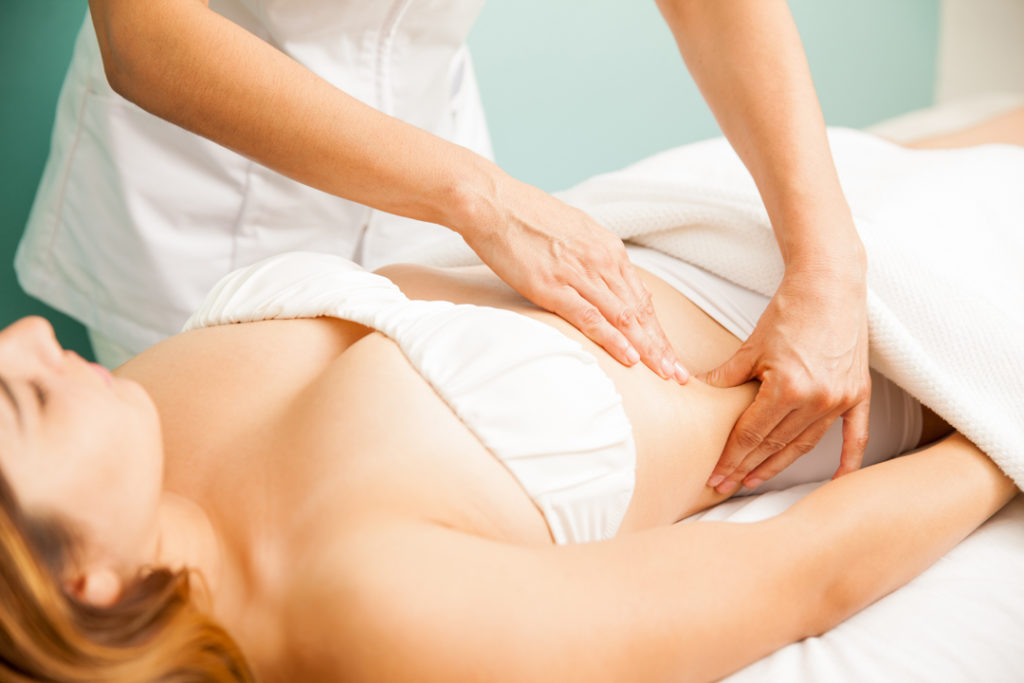

Body contouring sounds straightforward until you start looking at actual options. Then the choices multiply quickly. Noninvasive treatments promise no downtime. Minimally invasive procedures claim more visible change. Surgical approaches offer the biggest transformation, but they also demand the biggest commitment. If you are searching for Body Contouring Farmington Hills providers, the real challenge is not finding a treatment menu. It is figuring out which option fits your body, your goals, your timeline, and your tolerance for recovery.
That distinction matters because body contouring is often misunderstood. Many people walk into a consultation hoping to “lose weight” from a device or procedure designed to refine shape, not replace a nutrition plan or bariatric strategy. Others are already near their target weight and simply want to smooth a stubborn area that does not respond to exercise. Those are very different patients, and the right recommendation should reflect that.
The best decisions usually come from slowing down and asking better questions. What exactly bothers you: fullness, loose skin, poor muscle definition, cellulite, or all three? How much change do you expect? Are you willing to wait for gradual improvement, or do you want a more dramatic outcome? A strong treatment plan starts there, not with a sales pitch.
What body contouring can realistically improve
Body contouring is a broad term. In practical terms, it covers treatments that reshape or refine areas such as the abdomen, flanks, thighs, arms, back, under the chin, and buttocks. Some methods target pockets of fat. Others tighten mild to moderate skin laxity. A few can help improve the look of cellulite or enhance muscle tone.
The trouble is that these issues often overlap. Someone might think they need “fat reduction” in the lower abdomen, when the larger concern is actually loose skin after pregnancy. Another person may be frustrated by “flabby arms” when the arm size itself is modest, but skin elasticity has changed with age. If the underlying issue is misidentified, the treatment can be technically well performed and still feel disappointing.
A useful way to think about body contouring is this: fat reduction shrinks volume, skin tightening improves envelope quality, and surgery removes excess tissue when there is too much of it for a device to fix. Once you understand which category your concern falls into, the treatment path becomes much clearer.
The main categories you will see in Farmington Hills
Most people comparing Body Contouring Farmington Hills practices will encounter three broad approaches.
Noninvasive options use external applicators, heat, cold, radiofrequency, ultrasound, or electromagnetic stimulation. These treatments usually have little to no downtime. They work best for mild to moderate concerns and for patients who accept gradual improvement over several weeks or months. They are attractive because they fit busy schedules, but they are not magic. The changes can be subtle, especially if expectations were set too high at the start.
Minimally invasive options sit in the middle. They may use small incisions, local anesthesia, or targeted technology beneath the skin. Recovery is usually shorter than surgery but more involved than a lunchtime treatment. These options can be appropriate for people who want more change without committing to a full surgical procedure.
Surgical contouring includes liposuction, tummy tuck procedures, arm lifts, thigh lifts, and combinations tailored to major body changes, often after significant weight loss or pregnancy. Surgery remains the most effective option for larger corrections and excess skin. It also comes with real downtime, higher cost, and a longer healing period. For the right candidate, though, it can solve problems that no external device can meaningfully address.
Why your starting point matters more than the treatment name
People often fixate on brand names. The brand matters less than candidacy. A well matched treatment with a skilled provider tends to outperform the “hottest” device used on the wrong person.
Weight stability is one of the biggest predictors of satisfaction. If your weight is fluctuating, contouring results are harder to judge and harder to maintain. A patient who gains or loses fifteen to twenty pounds after treatment may feel like the procedure “did not work,” when the body simply changed again.
Skin quality also matters. Younger patients with good elasticity typically respond better to noninvasive shaping than someone with more pronounced laxity. That does not mean older patients cannot benefit. It means the treatment plan needs to be honest. There is a big difference between “you will look somewhat tighter” and “this will remove loose skin.” The second promise is usually unrealistic unless surgery is part of the discussion.
Hormonal changes, prior surgeries, scar tissue, muscle separation after pregnancy, and genetics also influence outcomes. A provider who takes time to assess these details is usually thinking clinically instead of selling cosmetically.
The goal should be specific, not vague
“I just want to look better” is understandable, but it is too broad to guide treatment. Better consultations happen when the goal is concrete. Maybe your jeans fit tightly at the waist even though your weight has stayed stable. Maybe the bra line area shows through fitted clothing. Maybe the lower abdomen still protrudes after two pregnancies despite regular exercise. Each concern points in a different direction.
Specific goals also make success easier to measure. If the area that bothers you most is the outer thighs, then a treatment plan that focuses on generalized slimming may not feel worth it. If your real frustration is lax skin under the arms, fat freezing alone may leave you wondering why the contour changed so little. Precision in the goal allows precision in the recommendation.
Photos can help here. Many experienced providers take standardized before images and compare them over time because day-to-day mirror checks are unreliable. Lighting, bloating, posture, and even stress can affect how you think you look from one week to the next.
Noninvasive does not mean minor, and surgery does not mean best
There is a tendency to oversimplify body contouring. Some patients assume surgery is automatically superior. Others insist they only want noninvasive care because it feels safer or easier. Both views miss the nuance.
A person with a small, stubborn flank bulge and firm skin may be delighted with a noninvasive treatment and see no reason to pursue liposuction. Another person with significant skin redundancy after losing eighty pounds could spend money on repeated device sessions and still need surgery to get the result they actually want. The “best” treatment is the one that solves the right problem at an acceptable trade-off.
This is where real professional judgment comes in. Good providers do not just explain benefits. They explain limits. They should be comfortable telling you when a treatment is unlikely to meet your expectations.
Questions worth asking during a consultation
You do not need to walk into a consultation knowing the perfect treatment. You do need to know how to evaluate the answers you are getting. These questions usually reveal a lot about the quality of the recommendation:
- Am I a good candidate for this, and why?
- What result is realistic for my body type and skin quality?
- How many sessions or stages are commonly needed?
- What will recovery actually feel like over the first few days or weeks?
- If this does not achieve enough improvement, what would the next step be?
Listen for specificity. “You’ll look amazing” is not useful. “I expect moderate reduction in this area, but loose skin may still be visible when you bend or sit” is far more credible. Strong consultations often include a discussion of alternatives, not just a defense of one preferred service.
Watch for red flags before you commit
Most body contouring disappointments do not come from bad technology alone. They come from poor assessment, rushed communication, or oversold results. Be careful if you notice any of the following:
- A provider dismisses your questions about limitations or recovery.
- The recommendation changes dramatically based on a same-day discount.
- Before-and-after photos are inconsistent in lighting, posture, or clothing.
- You are told a device can replace surgery when you clearly have significant excess skin.
- There is little discussion of your medical history, weight stability, or long-term maintenance.
That last point is especially important. Body contouring is elective, but it is still medical care. A practice that treats it like a https://mariognbr218.publishlane.com/posts/body-contouring-farmington-hills-key-benefits-of-non-invasive-services spa special rather than a personalized treatment plan is not where most patients get their best outcomes.
Cost is part of the decision, but value matters more
Prices vary widely in southeastern Michigan depending on the technology used, the number of treatment areas, the experience of the provider, and whether the procedure is surgical or noninvasive. Quoted prices can also be misleading if they do not include compression garments, follow-up visits, medications, or the number of sessions actually needed.
The cheapest option is often the most expensive if it does not address the real issue. I have seen plenty of people spend repeatedly on treatments that offered small improvements, when a different approach from the beginning would have been more efficient. That does not mean everyone should choose surgery. It means you should compare expected outcome per dollar, not price tag alone.
A thoughtful provider usually talks through cost in context. If a noninvasive series is likely to require multiple sessions and deliver modest change, you should hear that clearly. If a surgical option has a higher upfront cost but is more aligned with your goal, that trade-off deserves an honest discussion too.
Downtime deserves more respect than it gets
One of the most common mistakes people make is underestimating recovery. “No downtime” is often interpreted as “no inconvenience,” which is not always true. You may be able to return to work quickly and still deal with soreness, swelling, numbness, bruising, compression garments, activity restrictions, or delayed visible results.
For example, someone considering contouring before a wedding, reunion, or beach trip should think backward from the event date. Even treatments with minimal interruption can leave temporary swelling or require time for the body to process changes. Surgical procedures need a much larger cushion. If timing matters, bring that up early in the conversation.
Recovery also affects lifestyle. Parents of young children, people with physically demanding jobs, and frequent travelers need plans that fit reality. There is no award for choosing a treatment with a recovery period you cannot actually accommodate.
Body contouring after pregnancy or weight loss needs a different lens
Postpartum patients and people who have lost a substantial amount of weight often need especially careful counseling. Pregnancy can stretch skin, change fat distribution, and separate abdominal muscles. Significant weight loss can leave excess skin in several areas at once. In both groups, the body may be healthier and stronger than ever, yet still not return to its prior contour.
This is where expectations frequently collide with anatomy. Devices may improve certain areas, but they cannot always restore structural changes caused by stretched tissue. Someone with abdominal muscle separation may need surgical correction if the goal is a flatter midsection. Someone with hanging skin on the upper arms or lower abdomen may not be satisfied with a treatment that only reduces fat.
At the same time, not every postpartum or post-weight-loss patient needs surgery. Some have localized fullness with decent elasticity and can do well with less invasive options. The key is individualized assessment rather than assuming every concern falls into the same template.
How to evaluate provider experience in Farmington Hills
Searching for Body Contouring Farmington Hills will bring up med spas, cosmetic practices, dermatology offices, and plastic surgery clinics. That variety can be useful, but it also means qualifications differ. Experience is not only about how long someone has owned a machine. It is about how well they evaluate anatomy, choose candidates, manage complications, and say no when appropriate.
Look closely at before-and-after galleries, but read them critically. Do the results resemble your body type and concern, or only ideal candidates? Are there examples of subtle refinements as well as more dramatic cases? Does the practice explain who performed the procedure and what recovery involved? Context matters more than glamour.
Reviews can help, especially when they mention consultation quality, honesty, and follow-up care. Patients often reveal a lot when they describe whether they felt pressured, prepared, and supported. A pattern of comments about rushed visits or surprise add-on costs should not be ignored.
If surgery is being considered, credentialing and procedure setting become even more important. Ask where the procedure is performed, who handles anesthesia, and what the aftercare process looks like. Competence in body contouring is partly technical and partly organizational. The safest practices usually excel at both.
Results are shaped by maintenance, not just treatment day
Even the best contouring result needs support. Fat cells reduced in one area do not grant immunity from future weight gain. Skin quality continues to change with age, sun exposure, and overall health. Muscle tone responds to movement patterns, not wishful thinking.
This is one reason I encourage patients to think of contouring as a refinement step, not a reset button. It works best when you are already living in a way that can sustain the result. That usually means a stable weight, resistance training or regular activity, hydration, and realistic expectations about normal body changes over time.
Maintenance may also involve touch-ups for certain noninvasive treatments. Some people are happy to do periodic sessions if the recovery is easy and the improvement aligns with their goals. Others prefer a more definitive result and choose a different route. Neither approach is inherently better. It depends on temperament as much as anatomy.
Subtle improvement can still be a very good outcome
There is a quiet truth about body contouring that does not get enough attention: many successful results are not dramatic in photographs. They show up in how clothes fit, how a waistband lies, how a patient stands, or how often they think about a particular area. For the right person, that is meaningful.
This is especially true with noninvasive treatment. A visible twenty percent improvement in a stubborn area can matter a great deal if that area has bothered you for years. The problem starts when subtle improvement is sold as total transformation. That gap between language and likely outcome is where regret tends to grow.
Patients who do best are often the ones who can articulate what “worth it” means to them. Maybe it is smoother contour in fitted dresses. Maybe it is less fullness over the bra line. Maybe it is simply feeling more proportionate. The clearer that definition is, the easier it becomes to choose wisely.
Making the decision with confidence
A good body contouring decision is rarely made in one emotional moment. It usually comes from a combination of self-awareness, careful consultation, and practical planning. You want a provider who sees your body as it is, not as an easy sales opportunity. You want a recommendation that addresses your real concern, not just the treatment the office happens to promote most aggressively. And you want to understand the trade-offs before you say yes.
If you are exploring Body Contouring Farmington Hills options, take your time with the consultation process. Ask what problem is being treated, what level of change is realistic, how long results take to appear, and what happens if the improvement falls short of your goal. Strong providers welcome those conversations because they know good outcomes start with alignment.
The right treatment is not the newest, the cheapest, or the most heavily marketed. It is the one that matches your anatomy, your expectations, and your life. When those pieces line up, body contouring can be a worthwhile investment, not just in appearance, but in comfort and confidence.
Aesthetic Plastic Surgery & Laser Center, Michelle Hardaway M.D.
Address: 27920 Orchard Lake Rd, Farmington Hills, MI 48334
Phone number: +12482211957
FAQ About Body Contouring Farmington Hills
What does body contouring actually do?
Body contouring (or body sculpting) eliminates stubborn localized fat, tightens loose, sagging skin, and reshapes your silhouette. It is not a weight-loss tool, but rather a cosmetic procedure used to refine and tone specific trouble spots after major weight loss, pregnancy, or aging.
How much does body contouring usually cost?
The total cost of body contouring usually ranges from $2,000 to $25,000+ depending entirely on whether you choose non-surgical sessions or major surgical procedures.
Because "body contouring" covers everything from simple fat-freezing to comprehensive post-weight-loss surgeries, pricing is heavily categorized by the method used.
What is the best type of body contouring?
Liposuction is a huge topic and worth discussing in more detail, but in terms of body contouring and sculpting, nothing does the job better than liposuction, particularly VASER liposuction.